Genealogy research can span notebooks, documents, family stories, and photographs. A useful gift can support one part of that process or make time spent reading and organizing more comfortable.
These ideas include tools for note-taking and planning, ways to label or display keepsakes, and options for preserving and sharing family photos.
10 Gift Ideas for People Who Love Genealogy
Clever Fox Dotted Journal A5
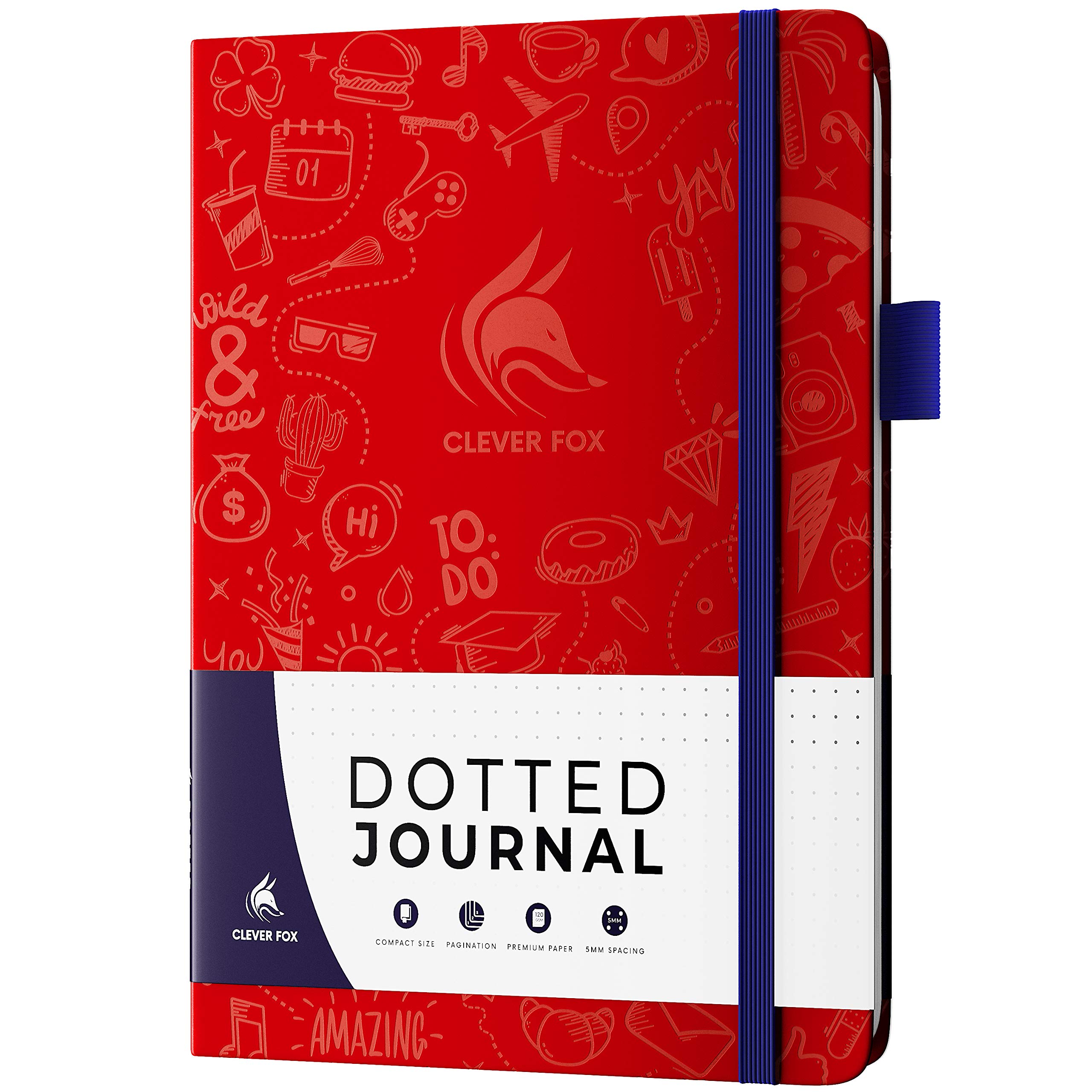
- Numbered pages, a key, and an index help keep handwritten notes easy to navigate.
- The lay-flat binding supports comfortable writing wherever research takes place.
- A pen loop, elastic band, ribbon bookmarks, and pocket keep small essentials together.
Best Gift For: A family historian who likes recording clues, names, and research questions by hand.

Cross Classic Century Gold-Plated Ballpoint Pen

- The slim metal body has a distinctive look and flush details.
- A swivel-action mechanism is built into the pen.
- It is refillable for continued use in journaling and note-taking.
Best Gift For: A genealogy enthusiast celebrating a birthday, graduation, or another special milestone.
Phomemo D30 Bluetooth Label Maker
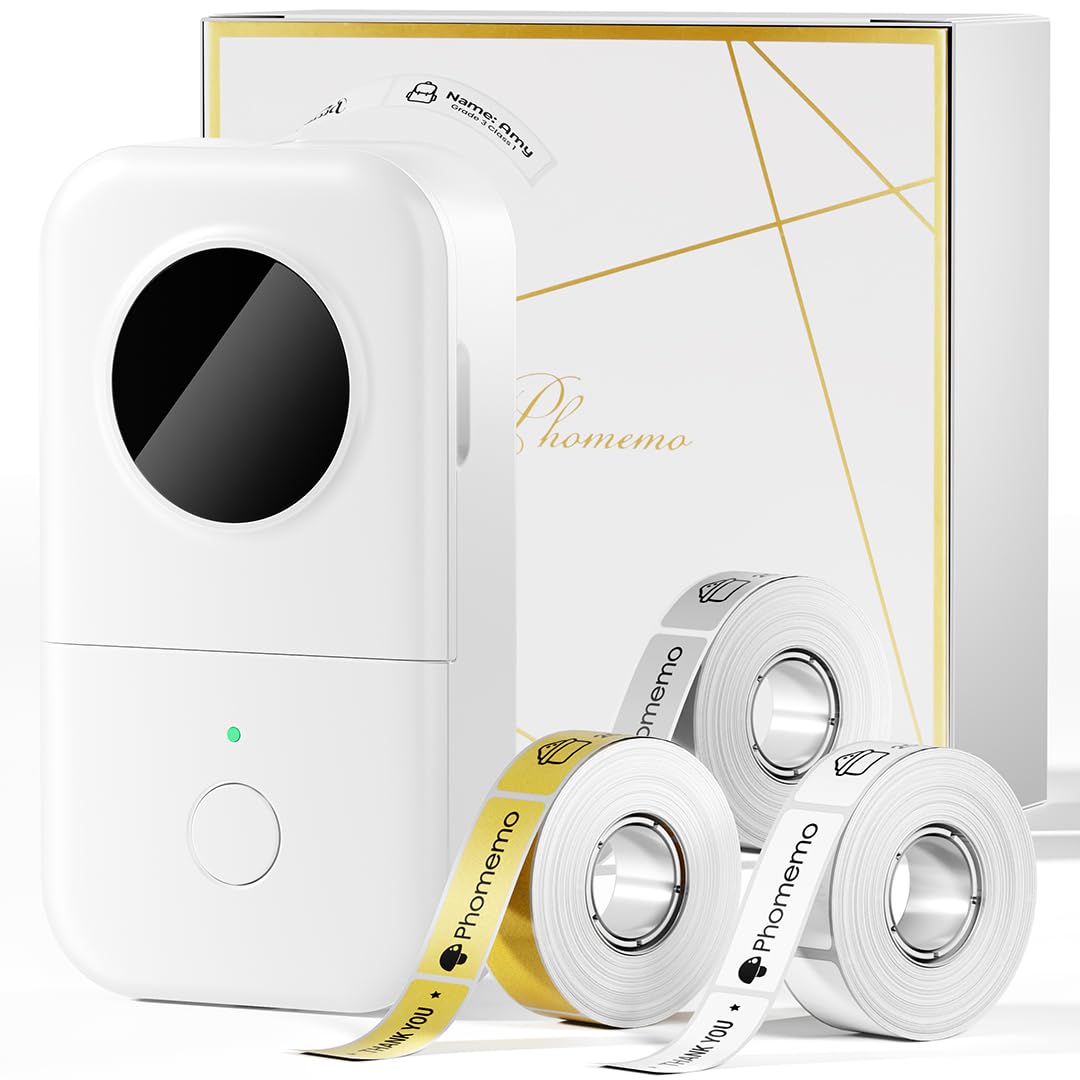
- The package includes three tapes: white, gold, and clear.
- Direct thermal printing works without ink, toner, or ribbons.
- Bluetooth connects the portable label maker with mobile devices.
Best Gift For: A researcher who wants to label folders, storage, or personal research supplies.
HP Sprocket Select Instant Photo Printer
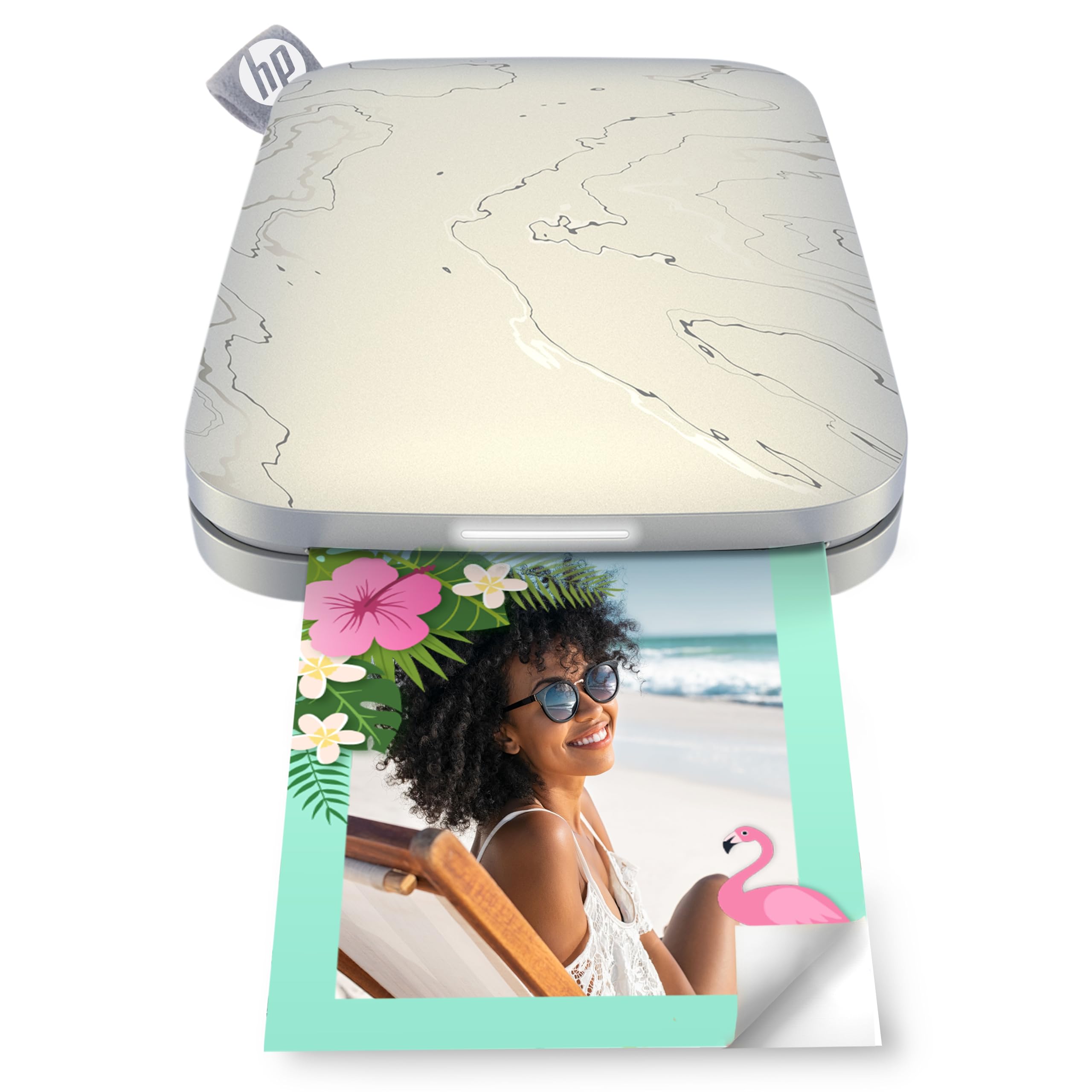
- Prints photos from a smartphone or social media.
- The sticky-back photo paper uses ZINK technology.
- Editing tools include frames and filters in the HP app.
Best Gift For: A family history enthusiast who enjoys printing and sharing photos from a phone.
Mr. Pen Metal Bookends, 8-Pack
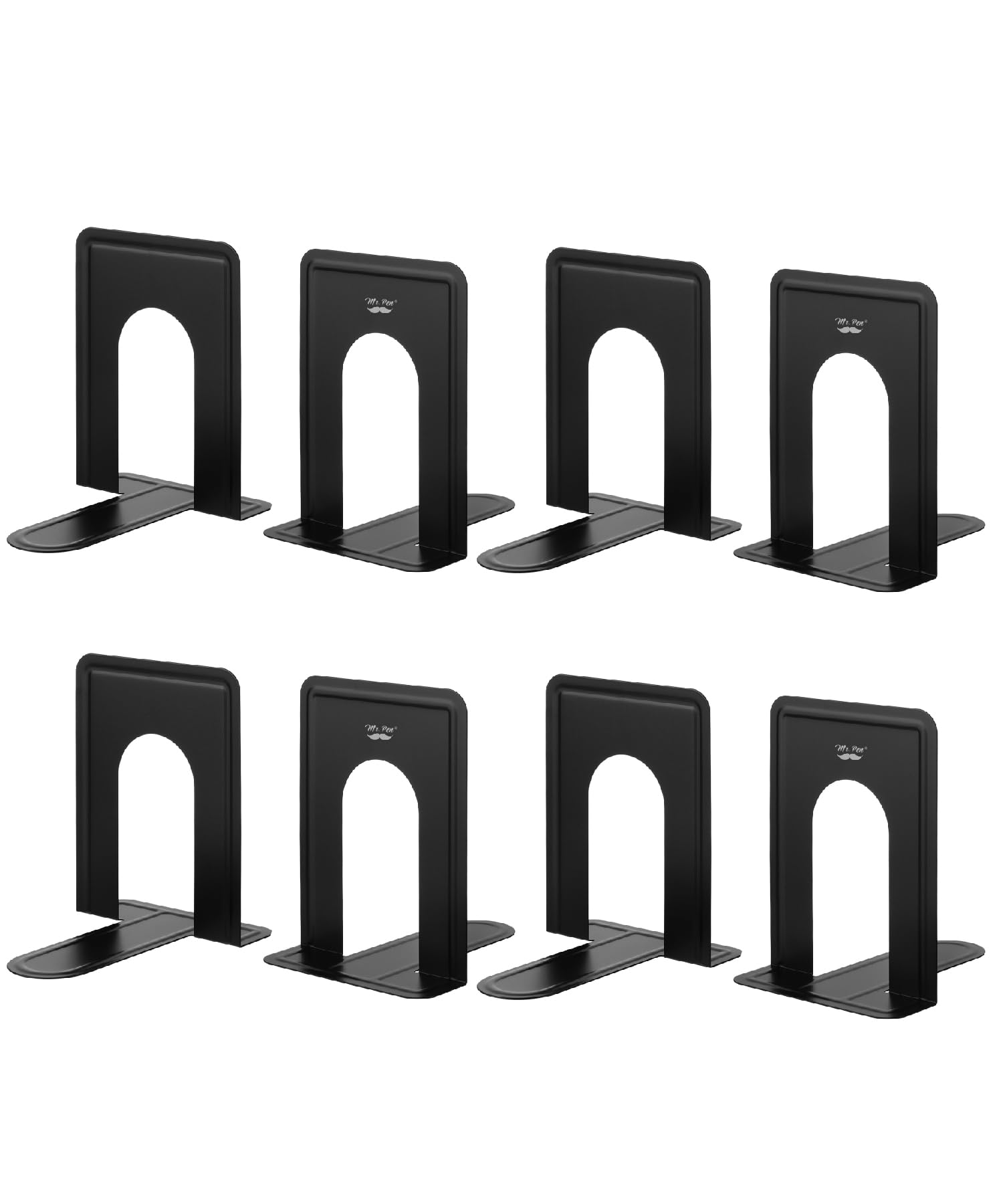
- The set includes eight bookends.
- Heavy-duty metal construction supports books, files, and other shelf items.
- They help keep books, magazines, or binders upright and organized.
Best Gift For: A genealogy researcher organizing reference books, binders, or files on a shelf.
Kölbs Reading Pillow, Tall
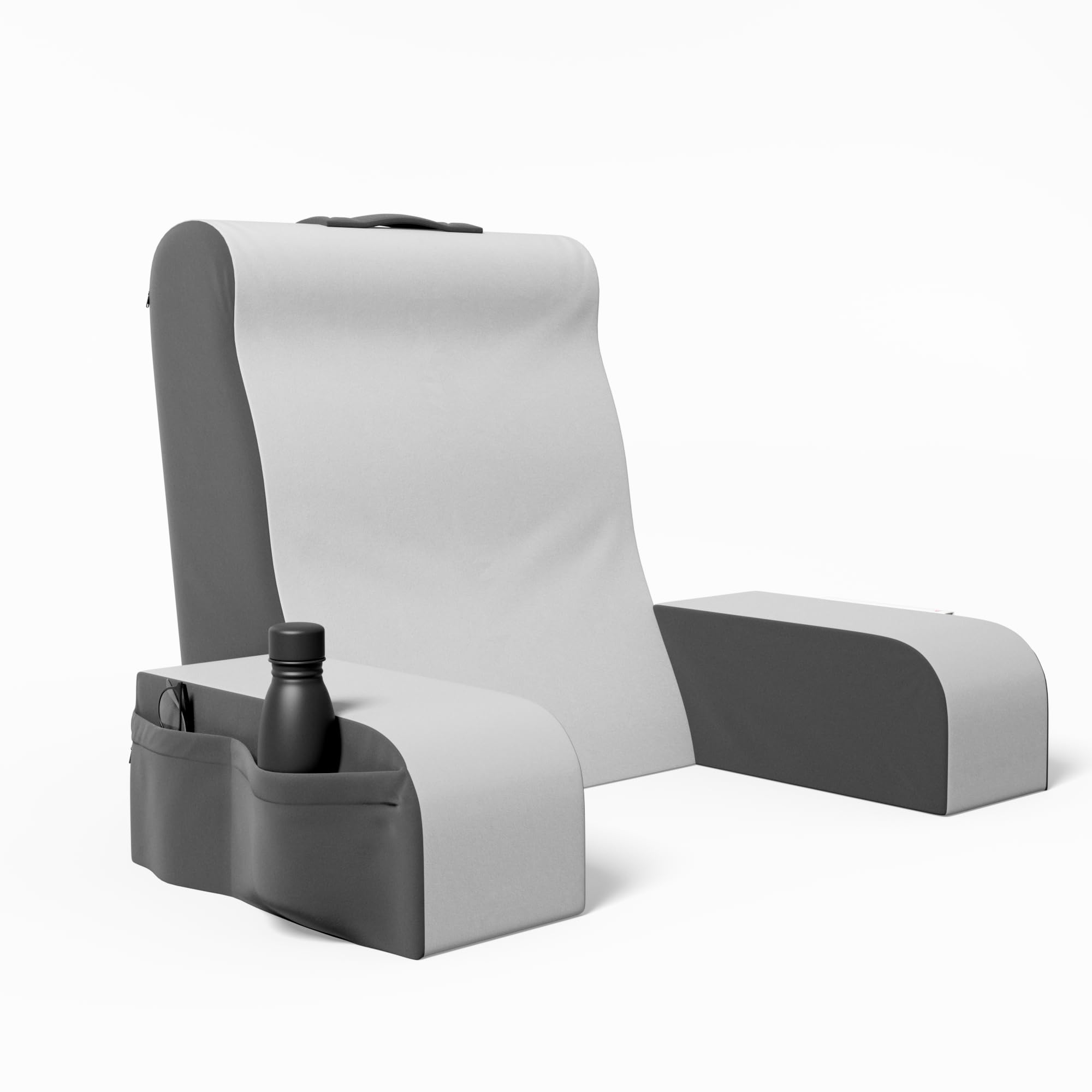
- Solid structured foam offers support with soft cushioning.
- Supportive arm rests add comfort and stability.
- Side pockets and a carry handle keep essentials close and make transport easier.
Best Gift For: A family history reader who likes sitting up in bed or on a sofa with a book.
Clever Fox Planner PRO Light

- The layout supports monthly, weekly, and daily planning.
- Start this undated planner at any time of year without wasting a page.
- The planner includes a quick-start guide and planning stickers.
Best Gift For: A genealogy enthusiast who wants to plan research sessions and track goals.
Glocusent Neck Reading Light, 1-Pack
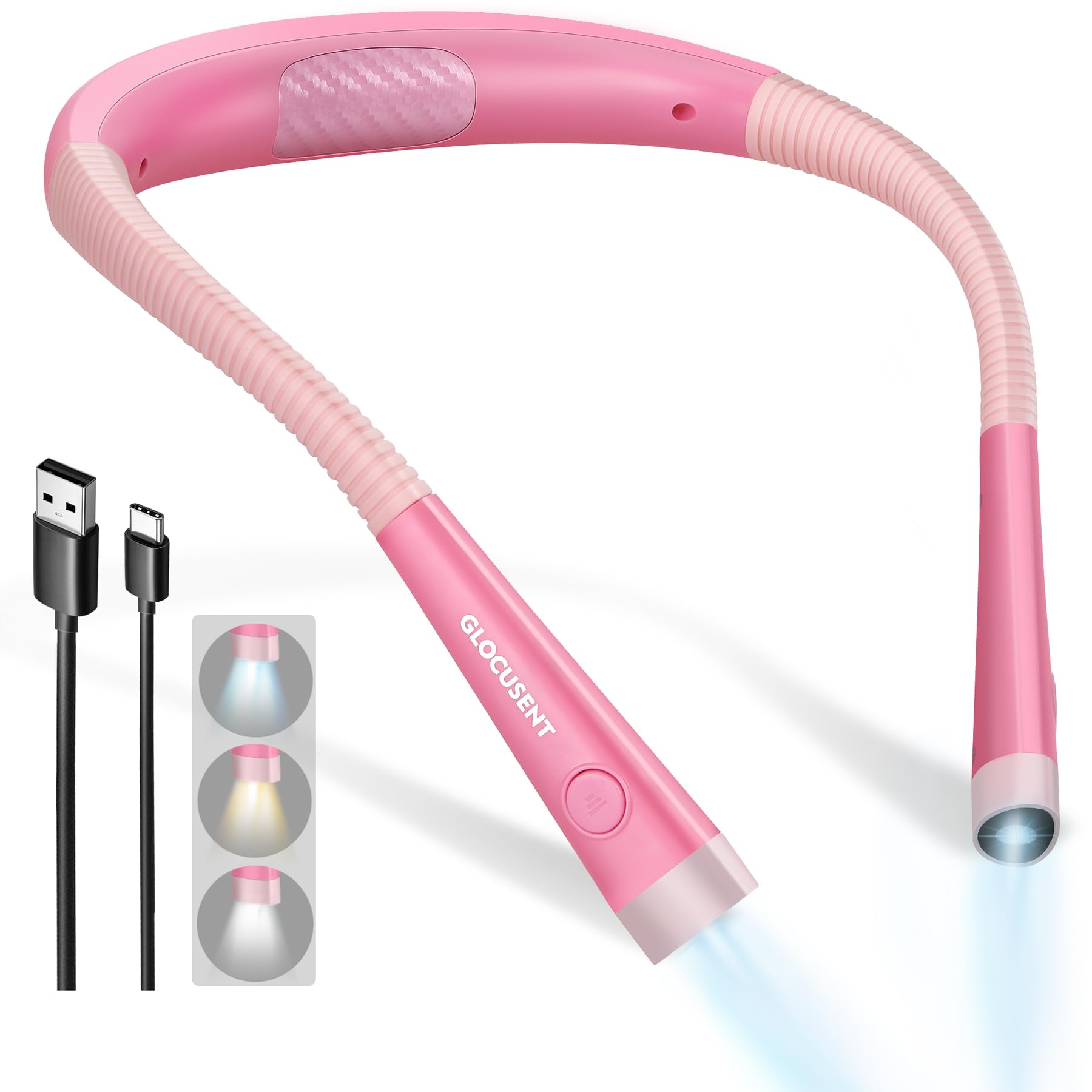
- The light offers three color modes and adjustable brightness.
- Its adjustable arms let the reader choose a comfortable angle.
- The rechargeable light offers up to 80 hours in general reading, single head use.
Best Gift For: A family history reader who likes reading in bed or working with both hands free.
ZEEYUAN 5x7 Family Photo Album
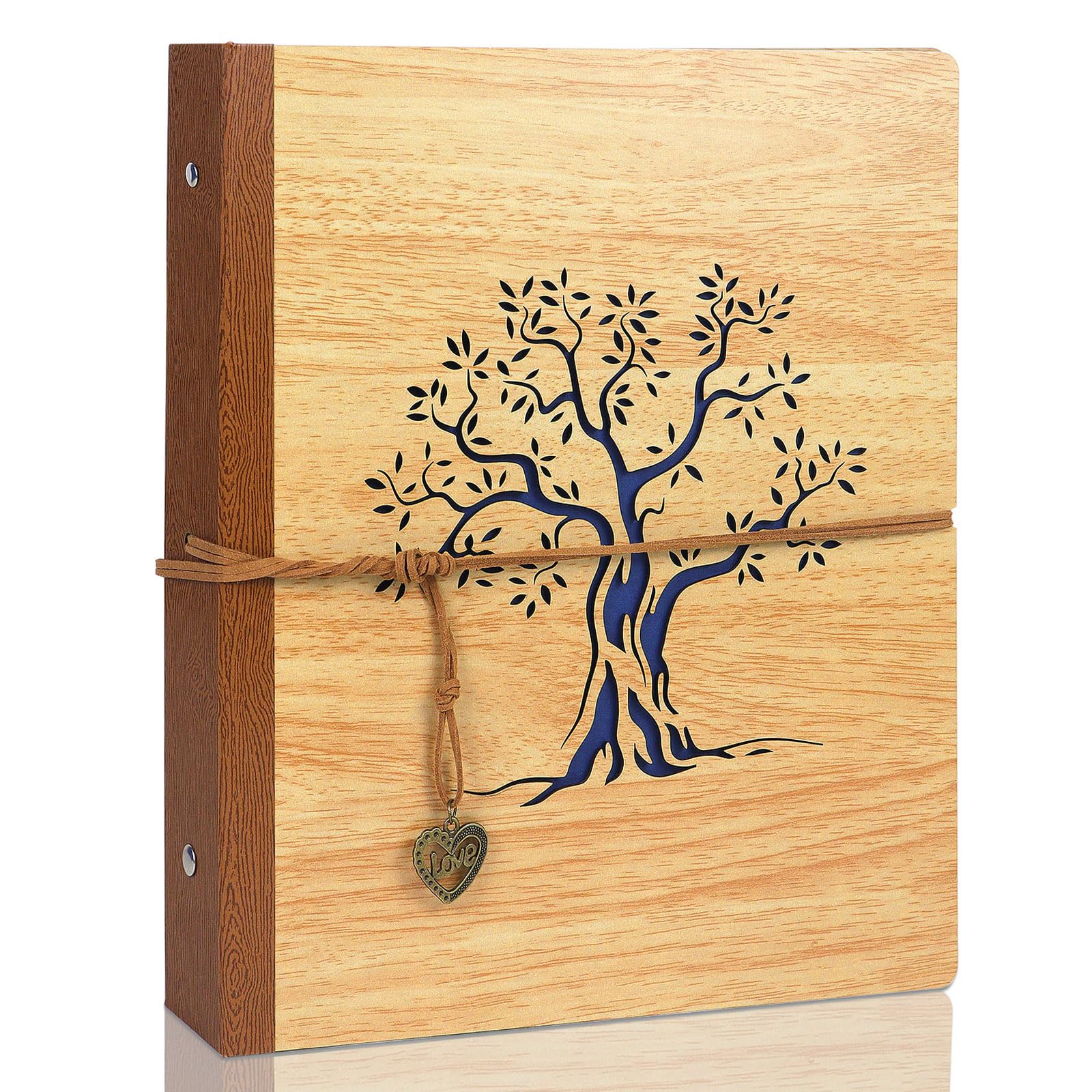
- The album holds 200 horizontal 5x7-inch photos.
- Its three-ring binding opens easily and allows the page count to be customized.
- The lay-flat design makes browsing photos easier.
Best Gift For: Family members who enjoy arranging and browsing printed photos.
Mr. Pen Magnetic Bookmarks, 12-Pack
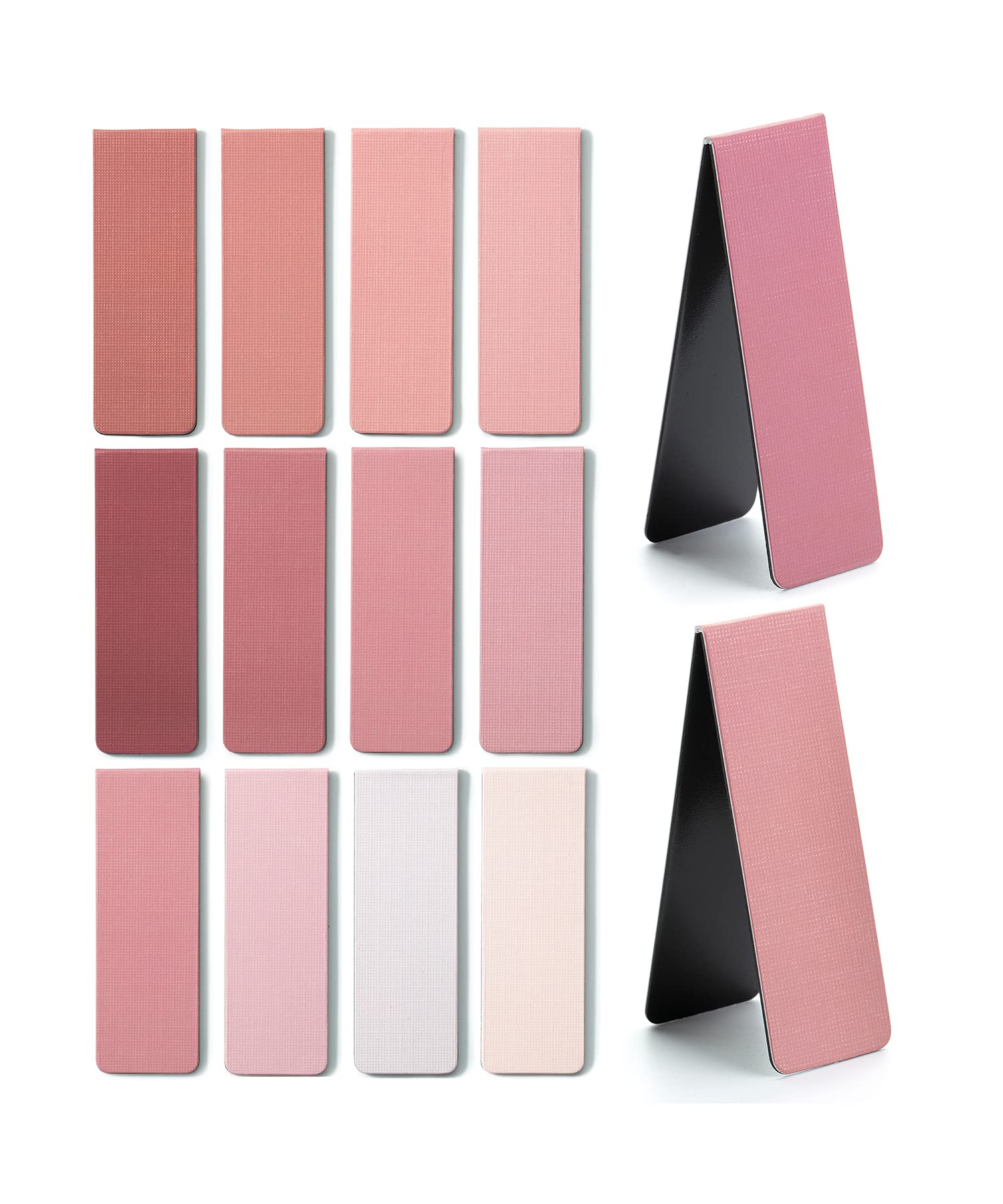
- The package includes 12 bookmarks in boho pink shades.
- A water-resistant matte film protects each bookmark from spills.
- Magnets on both sides help keep a page marker in place.
Best Gift For: A genealogy reader who likes marking places in family history books and reference materials.
Choosing gifts for people who love genealogy
For gifts for people who love genealogy, start by picturing how the recipient spends research time. Someone who follows clues across records may appreciate a dedicated place to capture names, dates, questions, and source leads.
A reader focused on family stories may get more use from support for books and reference materials.
Think about whether their work is mostly handwritten, digital, or a mix. A note-taker may prefer a journal or a pen; someone managing folders and supplies could value labels.
A relative who enjoys sharing discoveries may appreciate a way to print or arrange family photographs.
If you are unsure, choose something that supports a habit they already have. A planning aid can help someone who schedules research sessions, while a reading comfort gift suits a person who often settles in with family histories.
Practical gifts feel personal when they match the recipient’s routine.
Balance budget and usefulness
Set a comfortable budget before choosing among gifts for people who love genealogy. Small accessories can make thoughtful gestures, while a more substantial item may suit a milestone or a shared family present.
The right choice depends on the recipient’s needs and how often they are likely to use it.
For a modest gift, consider pairing a compact item with a handwritten note explaining why it reminded you of them. For a larger purchase, think through whether the recipient already has a similar tool and whether the item fits their research setup.
Ask a family member discreetly if you need help avoiding duplicates.
Check actual prices before buying, since they can change. For devices and accessories, confirm compatibility with the recipient’s phone or other equipment, and review dimensions to make sure the gift fits their space and expectations.
Add a personal touch to a family-history gift
Personalization can connect practical gifts to the family stories the recipient is researching. For gifts for people who love genealogy, include a note naming a shared relative, family place, or story you hope they will preserve.
Keep the detail accurate and meaningful rather than guessing at dates or relationships.
A journal can be accompanied by a prompt to record an unanswered question or a memory from an older relative. A photo-focused gift could come with a small set of family pictures, if you have permission to share them.
For a shelf or reading accessory, add a bookmark or note about a book you think they might enjoy.
Presentation does not need to be elaborate. Use a simple wrap, a family photograph, or a card that invites the recipient to tell you about what they discover.
If the gift is intended for shared use, explain how you hope it might support a family project.
Make the gift useful right away
Before ordering, check product details, dimensions, and compatibility against the recipient’s setup. A printer or label maker may involve an app or a compatible device, while storage and reading items need to fit the available space.
Review what is included and whether any supplies or accessories are needed separately.
If you are buying for a specific occasion, check delivery estimates at checkout and allow time for wrapping or adding a personal note. Delivery timing can change, so avoid relying on an assumed arrival date.
For a digital or hands-on item, consider whether the recipient will be comfortable setting it up.
For a last-minute gift, choose something easy to present: a book-related accessory, a note-taking item, or a photo you can share with a personal message. You can also give a card describing the family-history activity you hope to do together, such as organizing pictures or recording a relative’s memories.
Choose around their research routine
A good gift often supports the setting where genealogy happens: a desk with papers to sort, a quiet chair for reading, or a family gathering where stories are shared. Notice what would make that routine easier without assuming every researcher works the same way.
If they are building a family archive, ask whether their priority is collecting new information, keeping notes organized, or sharing discoveries. That answer can point toward a planning tool, a storage aid, or something that helps turn photos into keepsakes.
A small conversation can make the gift feel considered.
When you cannot ask directly, choose a flexible item and include a thoughtful message. You might offer to help label a box of photographs or set aside time to hear a family story.
The attention and shared interest can matter as much as the object itself.